Fast internet does not guarantee low ping, and home congestion or server distance may be to blame
High download speeds do not ensure responsive online games or video calls because ping measures round-trip response time, not bandwidth. Home congestion from uploads, downloads or many active devices can create bufferbloat and jitter, while connecting to distant game servers adds latency regardless of plan speed. Testing ping under load, using wired connections, checking QoS or SQM settings, and selecting closer game server regions can help identify and reduce the problem.

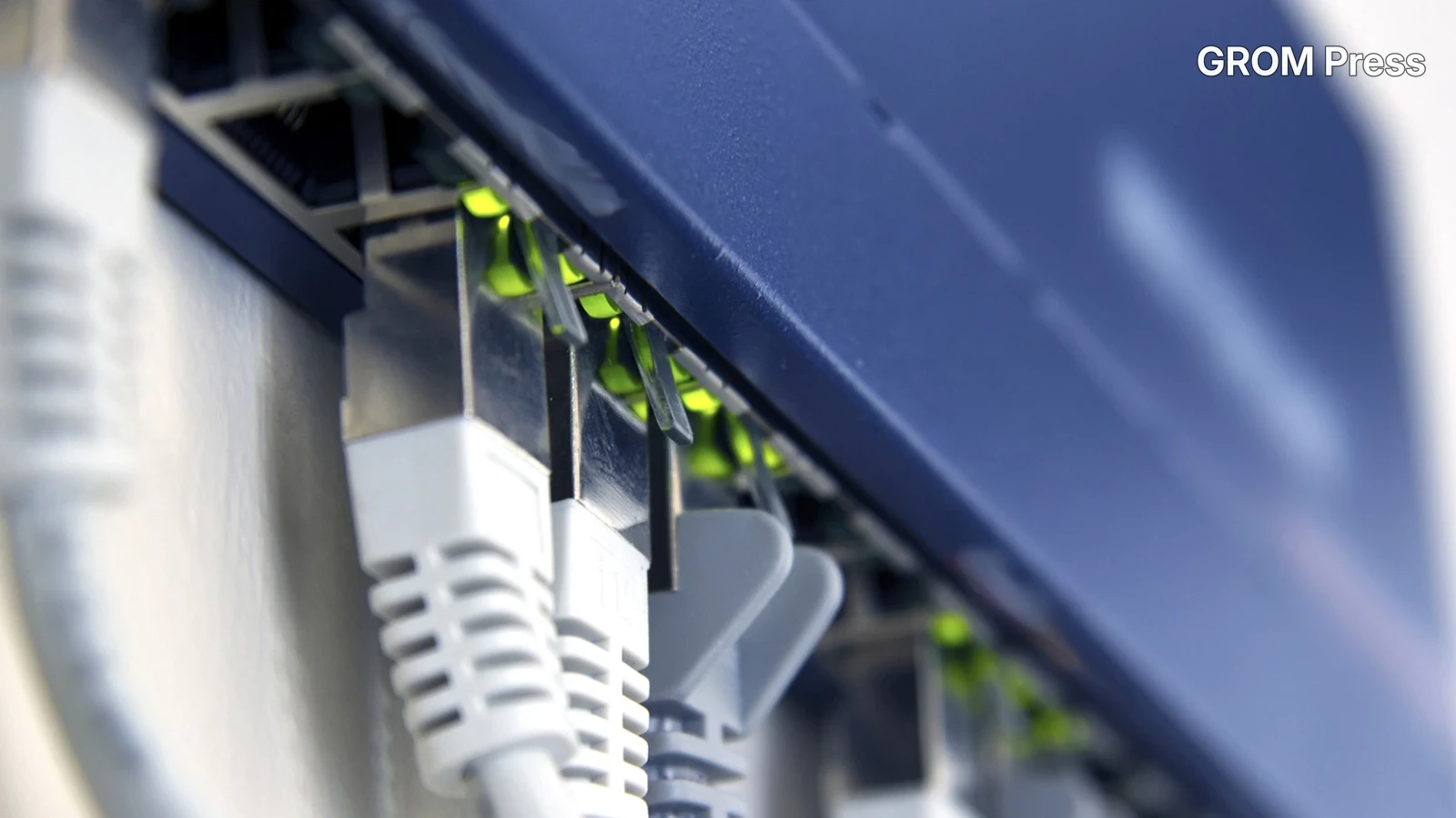
A fast speed test result does not necessarily mean online games or video calls will feel responsive. The article explains that bandwidth measures the maximum rate at which data can be transmitted, while ping measures the time it takes for data to travel to a server and back. A ping of 50 milliseconds or less is considered good for most online games, whereas 800 milliseconds means nearly a full second for a round trip.
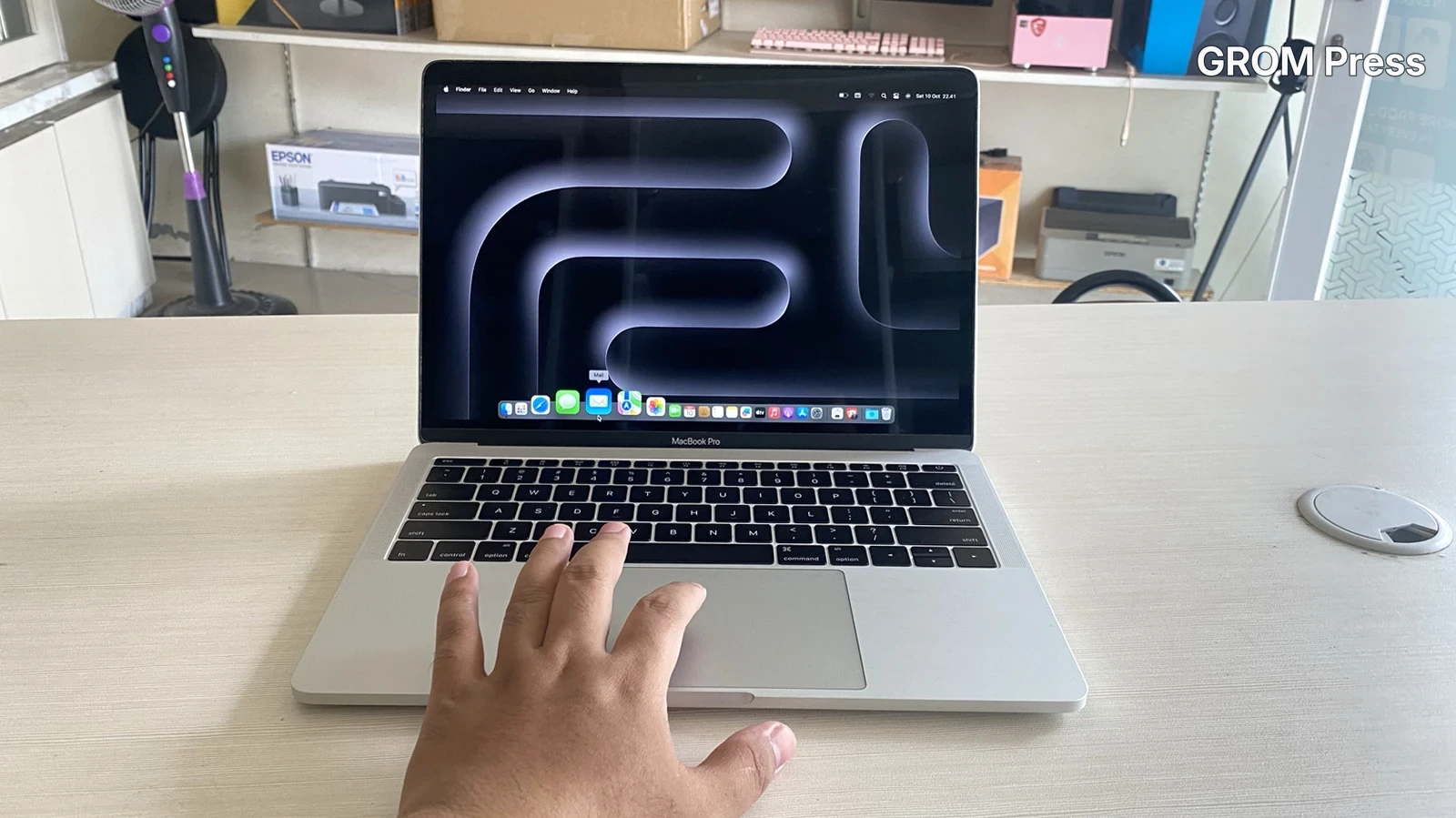
Home network congestion can worsen latency even on a high-speed connection. The article gives the example of a phone uploading vacation videos to the cloud while someone joins a video meeting on a laptop. If the upload consumes available bandwidth, packets from the call may wait behind other traffic, creating queuing delays known as bufferbloat. Large game downloads on other devices can cause similar issues. The number of connected devices matters less than what those devices are doing.
To check whether congestion is the problem, the article suggests using Ookla's Speedtest to compare idle, download and upload ping numbers. If latency increases under load, users should pause automatic updates, cloud backups and other large transfers, then test whether the game or call improves. Transfers can also be restricted or scheduled for times when no one else is online. Waveform's bufferbloat tester is mentioned as another tool for checking this specific problem.
Read the full story on GROM.PRESS
Source: GROM.PRESS