Scientists call for moratorium on lunar industrial mining before international rules are agreed
Florian Rabitz of Vilnius University and Xiao-Shan Yap of Utrecht University have called for a temporary halt to industrial lunar resource extraction until binding international rules are established. Writing in Global Environmental Politics, they warn that rapid infrastructure construction and mining could cause irreversible damage to the lunar environment, destroy scientifically valuable materials, and allow a small group of powerful states and their allies to establish de facto control over parts of the Moon.
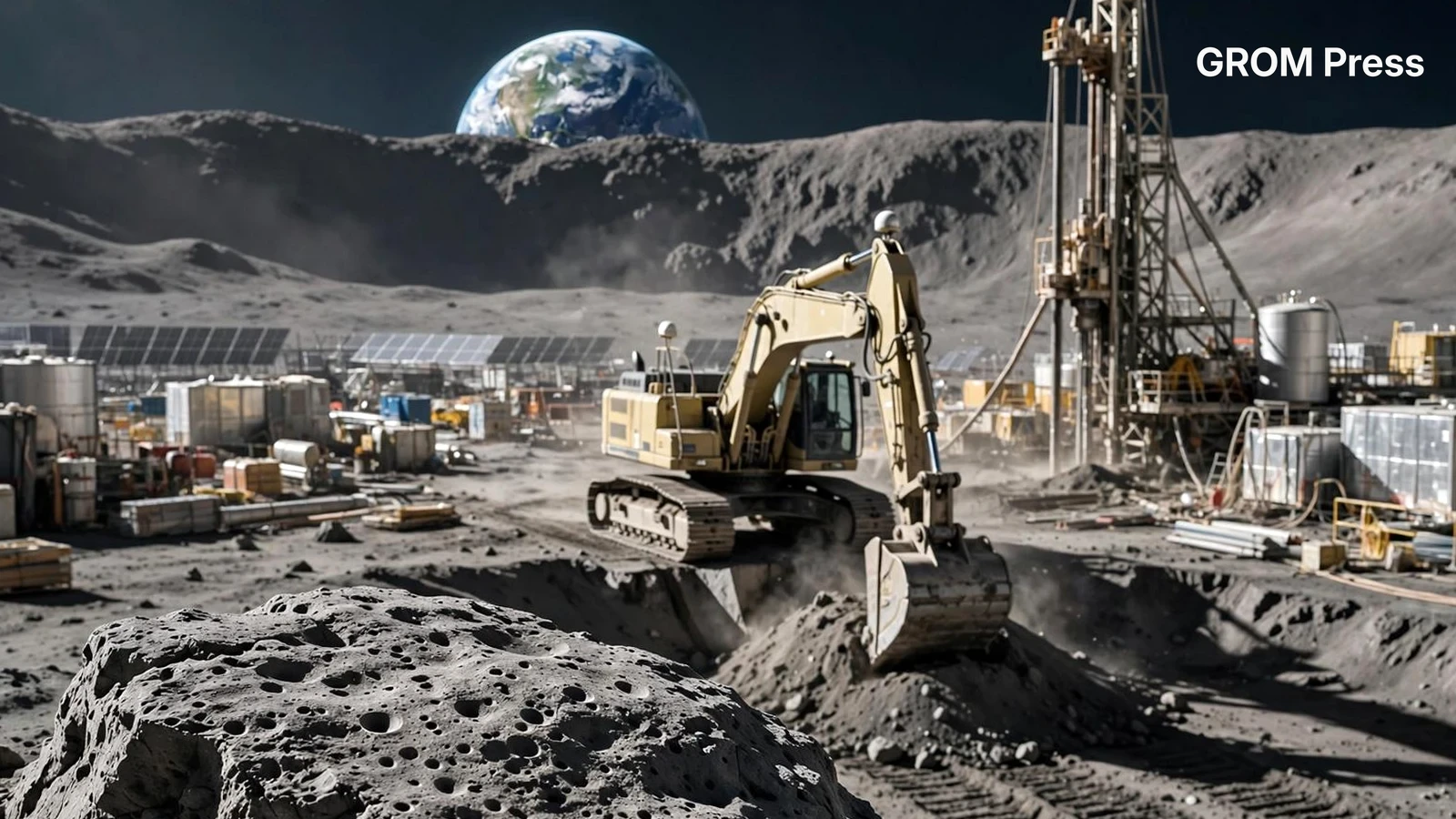
Florian Rabitz, professor of climate and technology management at Vilnius University, and Xiao-Shan Yap, associate professor at Utrecht University, have called for a moratorium on industrial lunar resource exploitation. Their proposal was published in the journal Global Environmental Politics. The researchers are urging a temporary pause on commercial mining and large-scale infrastructure construction on the Moon until the international community agrees on binding rules governing such activity.
The scientists warn that a lunar "gold rush" could cause irreversible damage to the lunar environment and destroy materials of high scientific value. They say unique lunar landscapes and resources could be lost before their scientific importance is fully understood.
The authors also express concern that lunar development could fall under the control of a limited number of influential states and their allies. Rabitz stated that countries that build major infrastructure first could effectively secure territories for themselves, even without formally declaring ownership. He said the situation must not turn into a "Wild West."
The United States and China are planning to establish permanent lunar settlements by the end of the next decade. Around these future expeditions, commercial infrastructure is already taking shape, with companies considering the extraction of water, building materials, industrial metals and rare-earth elements. The researchers argue that strict international norms and broad discussion of the consequences are needed before such activity begins on a large scale.
The 1967 UN Outer Space Treaty prohibits states from appropriating the Moon and other celestial bodies. However, Rabitz and Yap say this prohibition alone does not guarantee that the Moon will remain neutral territory during large-scale resource extraction. They argue that de facto influence over specific areas could pass to those with the means to build and operate lunar infrastructure.
Source: GROM.PRESS