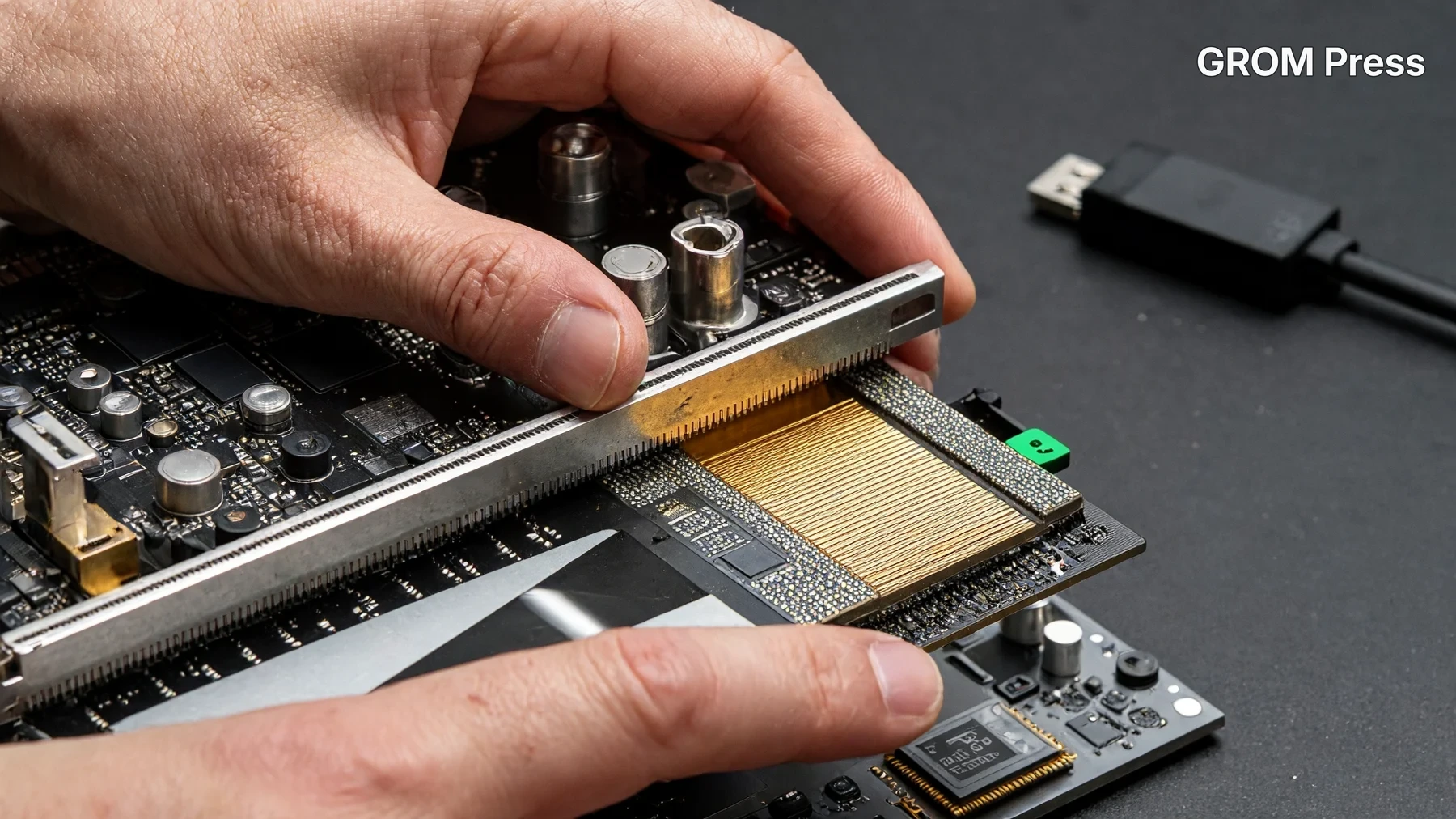
AMD EPYC Zen 6 processors show up to 133x AI gains over original Zen 1 flagship in decade-long comparison
AMD's new EPYC 9006 Venice processors, including the 256-core EPYC 9996 and 96-core EPYC 9686F, have begun shipping and were benchmarked against the original EPYC 7601 Naples processor from June 2017. Phoronix reports a 12.1x geometric mean performance gain across real-world workloads in less than ten years, with up to 133x gains in AI workloads. The comparison used dual-socket configurations on Ubuntu 26.10 with Linux kernel 7.3 and GCC 15.3, and also measured power consumption and performance-per-watt via CPU PowerCap/RAPL sensors.
Main event and significance
AMD has published a decade-spanning performance comparison between its original EPYC Zen 1 flagship and the newly available EPYC 9006 Venice Zen 6 processors. The testing, carried out by Phoronix, found a 12.1x geometric mean performance improvement across real-world workloads in less than ten years, with AI workloads showing gains of up to 133x. The comparison also covered power consumption and performance-per-watt for dual-socket configurations.
Processors and specifications
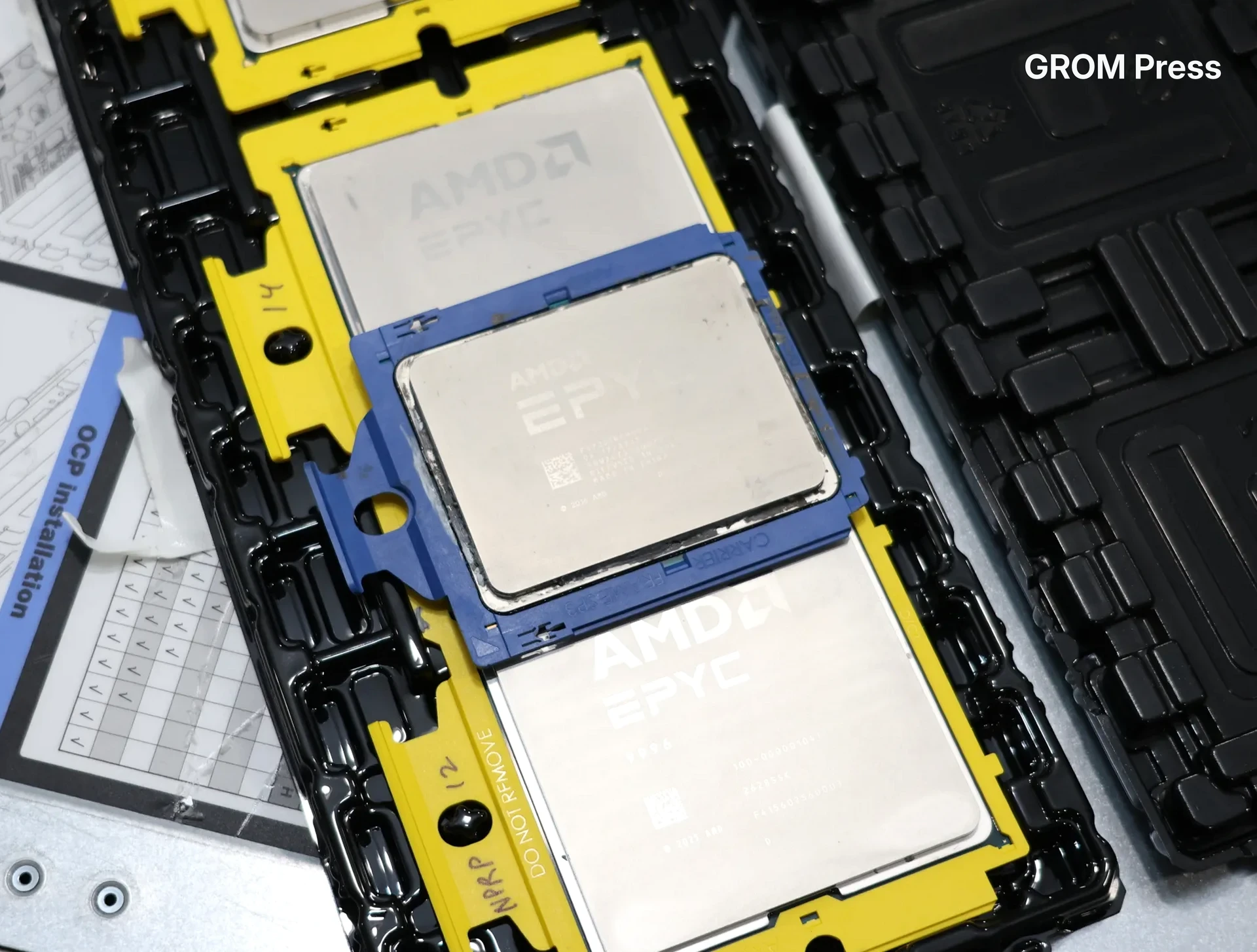
The EPYC 7601 launched in June 2017 as the flagship of the EPYC Naples Zen 1 family. It featured 32 Zen 1 cores and 64 threads, a 2.2GHz base frequency, a 3.2GHz maximum boost frequency, 64MB of L3 cache, eight-channel DDR4-2666 memory, up to 128 PCIe 3.0 lanes, and a 180W TDP.
The EPYC 9996 is the 256-core Zen 6C flagship of the EPYC 9006 SP7 family, which has begun shipping. It offers 256 cores and 512 threads per socket, a 2.55GHz base clock, a 4.1GHz maximum boost frequency, 1024MB of L3 cache, 16-channel DDR5 RDIMM or MRDIMM-12800 memory support, 96 lanes of PCI Express 6.0, and a 600W default power rating.
Read the full story on GROM.PRESS
Source: GROM.PRESS