NASA Invests $171M in 302 Small Business Projects to Advance Moon and Mars Technologies
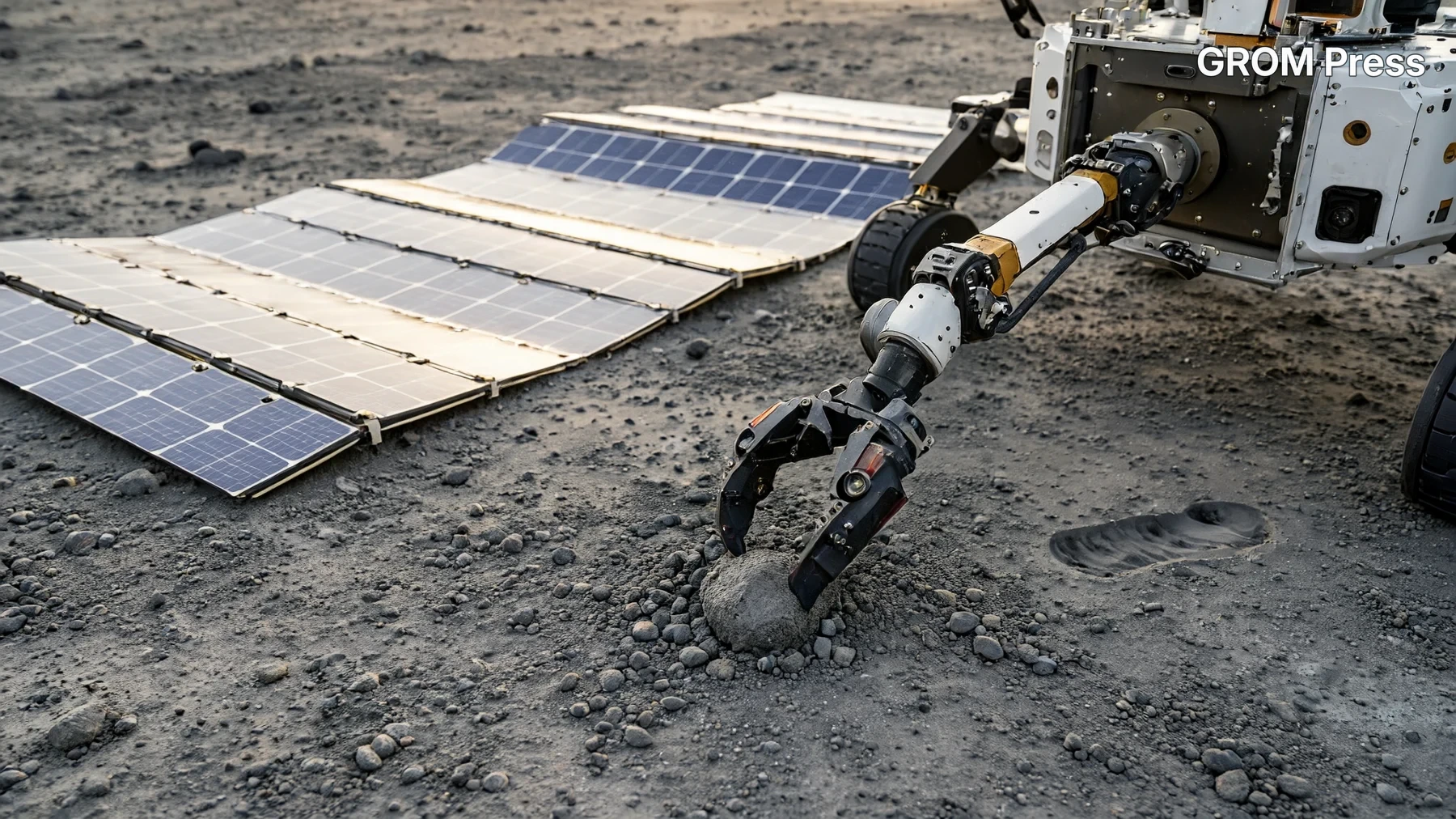
NASA’s Small Business Innovation Research/Technology Transfer (SBIR/STTR) program has awarded seed funding to 302 small businesses, totaling up to $171 million, to develop critical technologies for lunar and Martian exploration. Projects include ultra-cold batteries for lunar nights, robotic arms with tactile vision for autonomous surface tasks, rollable solar arrays for power generation, and regolith stabilization for reusable landing pads. Phase I contracts (up to $225,000 each) validate feasibility, while Phase II contracts (up to $1.3 million each) advance demonstration and delivery.
NASA has allocated up to $171 million in seed funding to 302 small businesses across the United States through its Small Business Innovation Research (SBIR) and Small Business Technology Transfer (STTR) programs. The initiative targets key technological needs for missions to the Moon and Mars, including power systems, robotic autonomy, battery resilience, and surface infrastructure. The awards, announced recently, are part of a broader strategy to stimulate innovation and commercialization within the U.S. space sector.
Phase I contracts, valued at up to $225,000 each, are designed to establish the technical merit and feasibility of proposed innovations. A subset of these awards are STTR contracts, which require collaboration between small businesses and research institutions. Phase II contracts, totaling 98 awards at up to $1.3 million each, continue development from Phase I projects and focus on demonstrating and delivering the technologies.
One notable project, led by Opterus Research and Development Inc., aims to develop a modular, rollable solar array system capable of robotic deployment and operation in dusty lunar or Martian environments. The system could be scaled to 50 kilowatts, offering a reliable power solution for NASA and commercial operators building surface infrastructure.
Read the full story on GROM.PRESS
Source: GROM.PRESS