Back to orbit: how rockets learned to fly twice
What happens to the first stage after launch, and why do engineers bring it back to Earth?
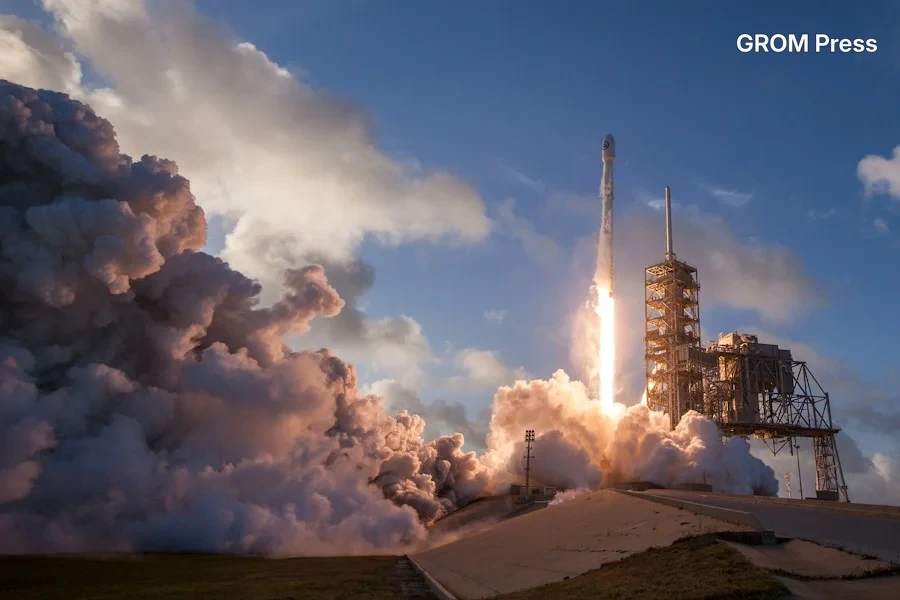
We tend to picture a rocket flight as a journey upward. For the first stage of a reusable launcher, there is a return leg too. After separating from the second stage, it changes orientation and begins a controlled descent.
The landing begins in the air
On Falcon 9, grid fins help steer the stage through the atmosphere. Before landing, an engine fires to slow it down. The landing legs deploy near the end of the manoeuvre. Depending on the mission, the stage touches down on land or on a platform at sea.
Between launches
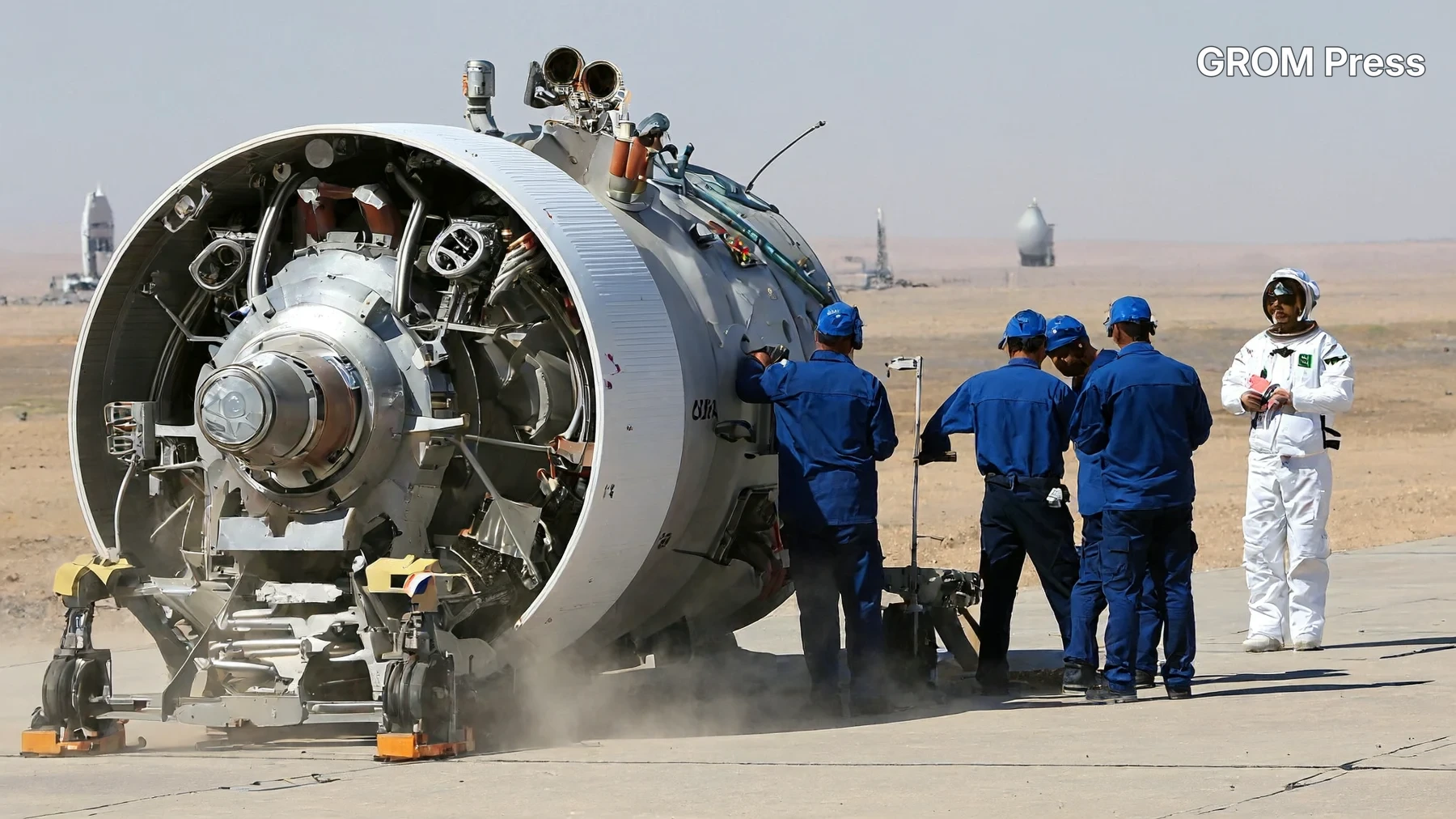
Engineers inspect the returning stage to see how its structure, engines and control systems have handled the mechanical and thermal loads of flight. Only after these checks can preparations for the next launch begin.
Reusability also changes how engineers develop a rocket. They can examine components that have flown and compare their actual condition with their predictions.
Source: GROM.PRESS